

Lapis Lazuli


Lapis Lazuli (Neelmani)
 Get photos/videos on Whatsapp
(Inclusive of all taxes)
SELECT YOUR RING
Select a ring to claim your free gift.
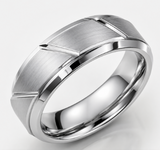
FREE Ring
Free
₹2,999
You unlocked a free ring!
The Ring option is selected. Choose your ring size to complete your free gift.

Lapis Lazuli
(Neelmani)
| Indian Size | Circumference | Diameter | ||
|---|---|---|---|---|
| Inch | mm | Inch | mm | |
| 1 | 1.61 | 41.01 | 0.51 | 13.1 |
| 2 | 1.64 | 42.70 | 0.52 | 13.3 |
| 3 | 1.69 | 42.90 | 0.54 | 13.7 |
| 4 | 1.72 | 43.60 | 0.55 | 13.9 |
| 5 | 1.76 | 44.80 | 0.56 | 14.3 |
| 6 | 1.81 | 46.10 | 0.58 | 14.7 |
| 7 | 1.87 | 47.40 | 0.59 | 15.1 |
| 8 | 1.89 | 48.00 | 0.60 | 15.3 |
| 9 | 1.92 | 48.70 | 0.61 | 15.5 |
| 10 | 1.97 | 50.00 | 0.63 | 15.9 |
| 11 | 2.02 | 51.20 | 0.64 | 16.3 |
| 12 | 2.04 | 51.90 | 0.65 | 16.5 |
| 13 | 2.09 | 53.10 | 0.67 | 16.9 |
| 14 | 2.14 | 54.40 | 0.68 | 17.3 |
| 15 | 2.16 | 55.10 | 0.69 | 17.5 |
| 16 | 2.22 | 56.30 | 0.70 | 17.9 |
| 17 | 2.24 | 57.00 | 0.71 | 18.1 |
| 18 | 2.30 | 58.30 | 0.73 | 18.5 |
| 19 | 2.32 | 58.90 | 0.74 | 18.8 |
| 20 | 2.37 | 60.20 | 0.75 | 19.2 |
| 21 | 2.39 | 60.80 | 0.76 | 19.4 |
| 22 | 2.44 | 62.10 | 0.78 | 19.8 |
| 23 | 2.47 | 62.70 | 0.79 | 20.0 |
| 24 | 2.52 | 64.00 | 0.80 | 20.4 |
| 25 | 2.54 | 64.60 | 0.81 | 20.6 |
| 26 | 2.59 | 65.90 | 0.83 | 21.0 |
| 27 | 2.65 | 67.20 | 0.84 | 21.4 |
| 28 | 2.67 | 67.80 | 0.85 | 21.6 |
| 29 | 2.72 | 69.10 | 0.87 | 22.0 |
| 30 | 2.80 | 71.00 | 0.88 | 22.3 |
Method 1 – Measuring with a Thread

Take a thin thread.

Wrap it around your finger where the ring will sit.

Mark the spot where the thread overlaps.

Measure that length with a ruler (in mm).
Method 2 – Measure using a Ruler

Take a ruler and ring that fits you.

Measure the diameter of your ring using a ruler, then match it with the chart to find your ring size.
Most orders are delivered in 7 - 10 days.
Prepaid orders are delivered on priority.- Origin : Afghanistan
- Planet : Saturn
- Colour : Deep Blue with Gold Flecks
- Shape : Oval
- Cut : Cabochon
- Composition : Natural
- Treatment : Unheated and Untreated
- Refractive Index : 1.500 – 1.670
Lapis Lazuli (Neelmani) is a deep blue gemstone known for enhancing wisdom, truth, and inner peace. It helps improve communication, boosts confidence, and promotes spiritual growth. Our natural, certified lapis lazuli stones are carefully chosen for their rich color and clarity.
Lapis Lazuli is usually worn in Gold, Silver, or Panchdhatu rings or pendants. Panchdhatu metal can lose color with frequent contact with water, sweat, or perfume. Keep the ring dry to maintain its shine for a longer time.
- Boosts intellectual ability and creativity
- Enhances communication and self-expression
- Promotes mental clarity and focus
- Encourages spiritual growth and insight

Good product
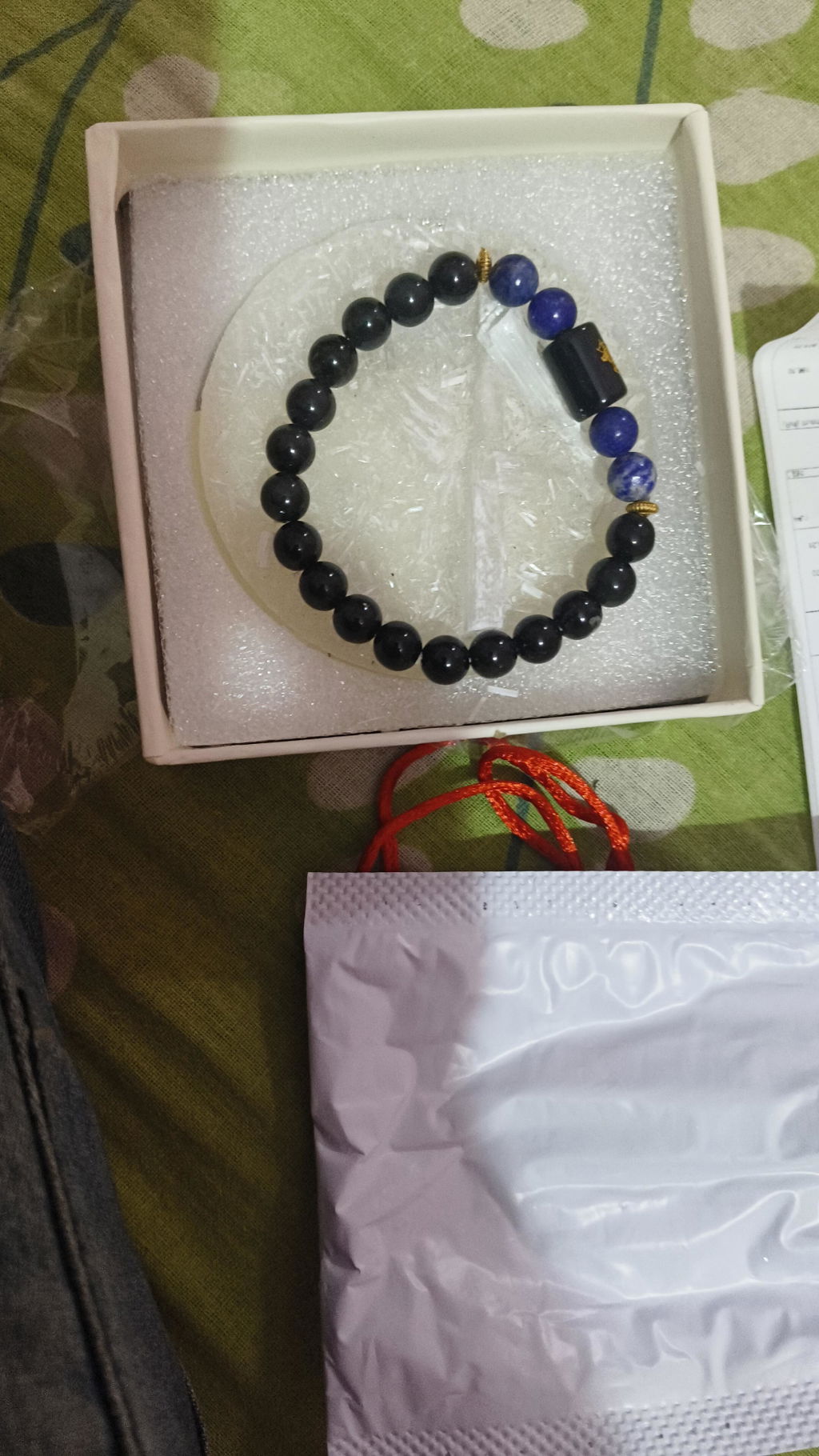
Pehle jo clip bheji gayi usme colour warm light mein dikha tha, natural light mein thoda alag laga. Fir bhi acceptable hai.
I wear it to the office every single day and only take it off for the gym and the shower.
Singer hoon aur throat chakra ke liye liya tha, riyaz ke waqt awaaz khuli hui lagti hai. Bhajan sandhya mein do ghante gaya aur baad mein gala baitha nahi. Locket chhaati par aata hai jo throat chakra ke hisaab se sahi jagah hai.
Jyotishi ne mujhe das ratti pehnne ko bola tha par yahan sirf saat, nau aur barah hi milte hain. Maine nau le liya aur consultant ne kaha chal jayega. Patthar khud bahut acha hai, gehra blue aur achhi golden flecking, calcite bhi kam hai.
Peeche ki side pura safed hai aur upar blue, mujhe laga tha dono taraf ek jaisa hoga. Pehnne par dikhta nahi to chal jayega.
Har Monday review meeting se darr lagta tha. Ab notes kam dekhta hoon aur seedhe bol pata hoon.
Lab certificate parcel ke andar nahi tha, mail par teen din baad bheja gaya. Patthar bilkul theek hai.
Anyone who speaks or presents for a living should try this stone at least once.
Meri ungliyan patli hain aur saat ratti bhi thoda bada dikhta hai, isse chhota weight bhi rakhna chahiye tha.
Thodi si white calcite hai par wo lakeeren stone ko marble jaisa look deti hain, mujhe pasand aaya.
Online photo se asli patthar zyada gehra aur zyada shiny hai.
Toh, log poochte hain ye kaunsa neela patthar hai.
Box thoda kamzor tha, patthar par bilkul theek nikla.
Rang aur flecks dono photo se behtar nikle.
The oval is nicely proportioned, neither too long nor too wide for a man's hand.
Short mein, untreated hone ki wajah se pyrite bilkul apni natural jagah par hai, kisi ne artificially glue nahi kiya.
Waise, pendant ke saath chain nahi mili, wo alag se kharidni padi. Neela rang bahut khoobsurat hai isliye chaar star. Dome ki polish bilkul chikni hai aur pendant mein blue apne aap ubhar kar aata hai. Agli baar chain ke saath combo option add karein to aasani hogi.
Almost no banding on my piece, the blue runs consistent from edge to edge.
Rang thoda sky ki taraf jhukta hai jabki mujhe navy chahiye tha. Baaki finish aur certificate dono theek the. Meri behen ne apna piece kisi aur jagah se liya tha jo isse bhi light hai, to shayad main lucky hoon. Golden speckles kaafi ache hain aur ek bhi bada safed dhabba nahi hai. Panchdhatu ki ring solid bani hai aur haath par bhaari nahi lagti. Sirf shade ki wajah se ek star kam.
Jab pehli baar dhoop mein dekha to laga jaise kisi ne neele kapde par sona chidak diya ho. Mera stone lagbhag saara even blue hai, sirf peeche ki taraf ek chhoti safed patch hai jo setting ke baad dikhti hi nahi. Chandi ki band halki hai aur roz pehnne mein aaram deti hai. Ek hi cheez ka dhyan rakhta hoon, nahate waqt utaar deta hoon kyunki ye soft rock hai. Shani ke budget upay mein isse behtar kuch nahi laga.
Main teacher hoon aur is patthar se bolne mein madad zaroor mili hai. Sirf ek baat khatakti hai ki upar ki taraf ek safed calcite ka daag hai jo ring pehnne par saaf dikhta hai. Rang aur pyrite dono ache hain isliye chaar star.
Pyrite itna bright hai ki kabhi kabhi lagta hai glitter lagaya ho, par ye pura natural hai.
Silver band chauda tha aur ungli par tight lag raha tha, jeweller se adjust karwaya. Neela rang bahut deep hai.
Safed lakeerein thodi zyada hain phir bhi rang gehra hai.
Porous patthar hai isliye haath dhone se pehle utaar deta hoon, ek mahine mein polish waisi ki waisi hai. Sanitizer aur perfume dono se door rakhta hoon kyunki ye rock hai, crystal nahi. Mere jeweller ne bhi yahi salah di thi.
Ek mahine se roz pehen raha hoon aur dome ki chamak abhi tak nahi gayi.
Golden sparkle kam hai par blue ekdum rich hai.
Meri profession mein har roz naye logon se baat karni padti hai, main pharma line mein medical rep hoon. Doctors ke saamne do minute mein pitch deni hoti hai aur pehle main jaldbaazi mein sab bhool jata tha. Consultant ne Shani aur Guru dono kamzor batakar ye patthar diya. Do mahine ho gaye, ab main pause lekar bolta hoon aur saamne wale ki aankhon mein dekh pata hoon. Rang bhi itna gehra hai ki apron ke upar se dikh jata hai.
Do layer bubble wrap aur lakdi ka box, kuch bhi damage nahi hua.
Neelam nahi le paya budget ki wajah se par ismein koi pachhtava nahi.
Thodi safed calcite hai par usse hi pata chalta hai ki asli rock hai, synthetic mein aisa nahi milta.
WhatsApp par extra photo maangi to do din lag gaye jawab aane mein, uske baad process theek chala.
Not Sure What to Buy?
Not Sure What to Buy?
Talk to our expert astrologers for 1:1 guidance.
- Personalized gemstone recommendation
- Based on your birth chart & planet positions
- Tips to wear & care for your gemstone

Our Promise to You

Certified by Reputed Gem Labs

100% Natural & Authentic

Select from live photos & videos

Get exactly what you select
Reasons why Lapis Lazuli is Best For You?


Reasons why Lapis Lazuli is Best For You?


Gemstone Care Instruction

Cleaning
After wearing, wipe your gemstone with a soft, dry cloth to remove sweat & dust.

Avoid Chemicals
Remove your gemstone before using soap, detergent, perfume, or sanitizer. When not in use, store it in coconut or baby oil inside a soft box.

Be Careful
Don’t hit or scratch your gemstone. Avoid heavy work or sports while wearing it.

Recharge
Recharge it using a Selenite plate or by placing it in sunlight/moonlight.


Things you want to know before purchase
What is the return policy?
Our goal is for every customer to be totally satisfied with their purchase. If this isn't the case, let us know and we'll do our best to work with you to make it right.
Are any purchases final sale?
We are unable to accept returns on certain items. These will be carefully marked before purchase.
When will I get my order?
We will work quickly to ship your order as soon as possible. Once your order has shipped, you will receive an email with further information. Delivery times vary depending on your location.
Where are your products manufactured?
Our products are manufactured both locally and globally. We carefully select our manufacturing partners to ensure our products are high quality and a fair value.
Related products
Frequently asked questions
On which finger to wear Lapis Lazuli (Neelmani)?
Which metal is best for wearing Lapis Lazuli (Neelmani)?
How many ratti of Lapis Lazuli (Neelmani) should I wear?
How do I know if Lapis Lazuli (Neelmani) is the right gemstone for me?
Is Lapis Lazuli (Neelmani) real and certified?